Source Dental Light Curing Machine With Caries Detector for Surgery
Find and compare 30 dental light curing machine with caries detector options from Chinese manufacturers. Evaluate specifications like LED intensity, battery capacity, and CE certification to select the right equipment for oral surgery and general dental procedures.
Key considerations
Products List


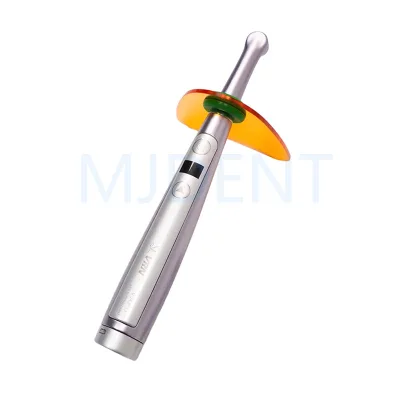


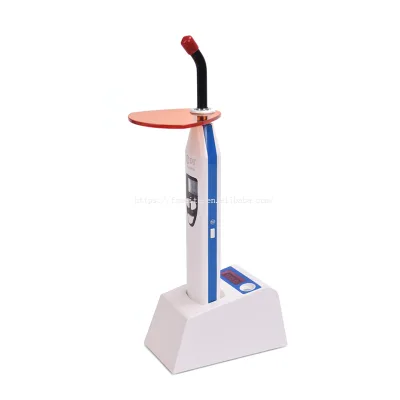


Comprehensive Sourcing Guide
Dental Light Curing Machine with Caries Detector Sourcing Guide
Procuring a dental light curing machine with caries detector requires a strategic approach that balances optical performance with diagnostic accuracy. These devices are designed to polymerize composite resins while simultaneously identifying carious lesions, offering a dual-function capability that streamlines clinical workflows. Buyers must recognize that while the core function remains consistent, the implementation of the caries detection feature varies significantly across different models, often relying on specific light wave spectrums to differentiate between healthy and decayed tooth structure.
The market presents a diverse array of options ranging from shared instrument equipment to specialized tools tailored for oral surgery departments. When evaluating potential suppliers, it is essential to distinguish between units that offer basic curing capabilities and those that integrate advanced diagnostic features like broad spectrum light waves or specific caries detection modes. This distinction directly impacts the clinical utility of the device and determines whether the investment aligns with the specific needs of a general practice or a specialized surgical center.
Product Scope and Observed Listing Signals
The observed product listings indicate a wide variance in specifications, with prices ranging from approximately 14.2 to 488.87 USD and minimum order quantities (MOQ) starting as low as one unit. This price disparity often reflects differences in build quality, the sophistication of the caries detection algorithm, and the inclusion of additional features such as multiple working modes like strong light, gradual light, or pulse. Buyers should be cautious not to equate lower price points with equivalent performance, as the intensity of the light output and the reliability of the diagnostic sensor are critical factors that may not be immediately apparent from the listing title alone.
Product attributes observed in the market include specific models like the SCS-DCL and SKI-801, which feature distinct power inputs and battery capacities. Some units are powered by electric sources with a 100-240VAC input, while others may rely on internal batteries with voltages between 3.7V and 4.2V. The physical characteristics also vary, with some devices weighing as little as 50g while others, such as the MJ-RN16, have a single gross weight of 2.500 kg. Understanding these physical and electrical differences is crucial for ensuring the equipment fits the spatial constraints of the dental operatory and meets the power requirements of the facility.
Technical Specifications to Verify
The optical performance of the curing unit is paramount, with observed light wave ranges typically falling between 380-515nm or 395-480nm to effectively cure resin materials. Buyers must verify that the light intensity meets clinical standards, as observed values range from 1000-2500 MW/Cm² to as high as 3200 mW/c㎡. Higher intensity levels generally correlate with faster curing times and more reliable polymerization, but they must be balanced against the risk of overheating the tooth pulp. It is essential to confirm the specific intensity rating for the model in question, as this parameter directly influences the clinical outcome and the longevity of the restoration.
In addition to curing capabilities, the caries detection feature relies on specific spectral properties and sensor technology. Some listings highlight a "Broad Spectrum" feature or specific advantages like "Uniform light," which are critical for accurate diagnosis. The device may utilize a specific number of LED lamps, such as the 4 Lamps configuration observed in certain models, to ensure even coverage and consistent detection. Buyers should request detailed technical data sheets that explain how the caries detection mechanism functions, ensuring it provides reliable differentiation between sound and decayed tissue without false positives or negatives.
Compliance and Safety Documentation
Regulatory compliance is a non-negotiable aspect of sourcing medical devices, with observed certifications including CE and ISO marks. These certifications indicate that the manufacturer has met specific safety and quality management standards, which is particularly important for devices classified as Class II instruments. Buyers must verify that the specific model they intend to purchase holds valid certification for the target market, as regulatory requirements can vary significantly between regions. The presence of a CE mark, for instance, suggests compliance with European health, safety, and environmental protection standards, but it does not automatically guarantee approval for other jurisdictions.
Safety standards and material composition also play a vital role in the risk assessment of the equipment. Observed safety standards include GB/T18830-2009, which provides a benchmark for electrical safety in medical devices. The materials used in construction, such as aluminum or steel, must be durable and resistant to corrosion, especially given the frequent exposure to sterilization processes and moisture in a dental environment. Buyers should ensure that the supplier provides documentation confirming the material safety and that the device adheres to the relevant electrical safety standards for the intended country of use.
Cost Drivers and Commercial Terms
The total cost of ownership is influenced by several factors beyond the initial purchase price, including warranty terms and after-sales support. Most observed listings offer a 1-year warranty and online technical support, which are standard but essential components of the commercial agreement. Buyers should scrutinize the scope of the warranty to understand what is covered, such as the curing light module versus the caries detection sensor, and whether the support includes remote diagnostics or on-site repairs. The availability of spare parts and the lead time for replacements are also critical considerations that can impact the operational continuity of the dental practice.
Customization options and packaging requirements can also drive costs and affect the final delivery timeline. Some suppliers offer customization services, allowing for branding or specific configuration adjustments, which may incur additional fees. The standard packaging, often a carton with dimensions like 25x15x10cm or 35.0x18.0x10.0 cm, must be evaluated for its ability to protect the device during transit, especially for heavier units with a gross weight of up to 2.500 kg. Buyers should negotiate clear terms regarding shipping costs, insurance, and the handling of damaged goods to mitigate financial risks associated with the procurement process.
Supplier Qualification and Quality Control
Supplier qualification involves verifying the origin and manufacturing capabilities of the provider, with many observed products originating from Foshan, China, or Guangdong. While these regions are known for their manufacturing expertise, buyers must conduct due diligence to ensure the supplier maintains consistent quality control processes. The presence of a specific model number, such as G0010 or MJ-RN16, suggests a standardized production line, but buyers should request evidence of quality assurance protocols, including batch testing and final inspection procedures. This verification helps ensure that every unit delivered meets the advertised specifications and performance standards.
Quality control extends to the shelf life and durability of the device, with some listings indicating a shelf life of 1 year. This timeframe is relevant for the storage of the product before deployment and may impact the inventory management strategy of the buyer. Additionally, the nature of the equipment, whether classified as shared instrument equipment or specialized instrument equipment, dictates the level of maintenance and care required. Buyers should assess the supplier's track record in providing reliable after-sales service and their ability to support the device throughout its operational lifecycle, ensuring that the investment remains viable over time.
Long-Term Procurement Checks
Sustaining the value of the procurement requires regular checks on the device's performance and the supplier's ability to provide ongoing support. Buyers should establish a protocol for periodic calibration and testing of the light intensity and caries detection accuracy to ensure the device continues to meet clinical standards. The warranty period of 1 year is a critical milestone, after which the cost of maintenance and potential repairs must be factored into the long-term budget. Proactive engagement with the supplier to understand the availability of service contracts or extended warranty options can help manage these future costs effectively.
Finally, the evolution of dental technology necessitates a review of the device's compatibility with emerging materials and techniques. As composite resins and diagnostic tools advance, the curing light and caries detector must remain effective against new formulations. Buyers should monitor the manufacturer's updates and product roadmap to ensure that the current model will not become obsolete quickly. Maintaining a relationship with a supplier that offers online technical support and is responsive to technological changes will ensure that the dental practice can adapt to industry advancements without the need for frequent equipment replacement.
FAQs
What certifications do dental light curing machines with caries detector have?
These devices typically hold CE and ISO certifications to ensure compliance with international safety and quality standards. The CE mark indicates conformity with health, safety, and environmental protection standards for products sold within the European Economic Area. ISO certification further validates the manufacturer's quality management systems. Buyers should verify specific certificates for their target market regulations before procurement.
How does the caries detection feature work in these curing lights?
The caries detection function utilizes specific light wavelengths, often between 380-515nm or 395-480nm, to identify decayed tooth structure. This broad spectrum or targeted LED light helps dentists distinguish between healthy enamel and carious lesions during examination. The device often features working modes like strong light, gradual light, or pulse to optimize visibility. This dual functionality combines curing and diagnostic capabilities in a single handheld instrument.
What is the power input and output specification for these units?
Most models operate on a power input of 100-240VAC at 50Hz or 60Hz, making them suitable for global use. The power output is typically DC 5V/1A for the curing function, while the input power consumption is around 15va. Some units feature a built-in battery with a voltage of 3.7V-4.2V and a capacity of 2200mA for cordless operation. This ensures reliable performance in various clinical settings without constant reliance on wall outlets.
Can these dental curing lights be customized for specific requirements?
Yes, customization is available for many dental light curing machines with caries detector models. Manufacturers often allow adjustments to packaging, branding, or specific technical specifications to meet buyer needs. The product nature is often classified as shared or specialized instrument equipment, allowing for tailored solutions. Buyers should contact suppliers directly to discuss available customization options, such as specific light intensity ranges or packaging dimensions, to ensure the device fits their clinical workflow.
What warranty and after-sale service are provided for these devices?
Standard warranty coverage for these dental instruments is typically one year. After-sale service usually includes online technical support to assist with operational issues or troubleshooting. This support helps ensure minimal downtime in clinical practice. Buyers should confirm the specific terms of the warranty and the availability of spare parts or repair services with the supplier. Reliable after-sale support is crucial for maintaining the longevity and performance of specialized dental equipment.
What are the typical packaging dimensions and weight for shipping?
Packaging standards vary by model, with common dimensions around 25x15x10cm or 35x18x10cm. The gross weight can range from 0.75kg to 2.500kg depending on the specific model and included accessories. Products are typically packed in cartons for safe transit. These dimensions and weights are important for calculating shipping costs and storage requirements. Buyers should request exact packing details for the specific model they intend to purchase to ensure accurate logistics planning.